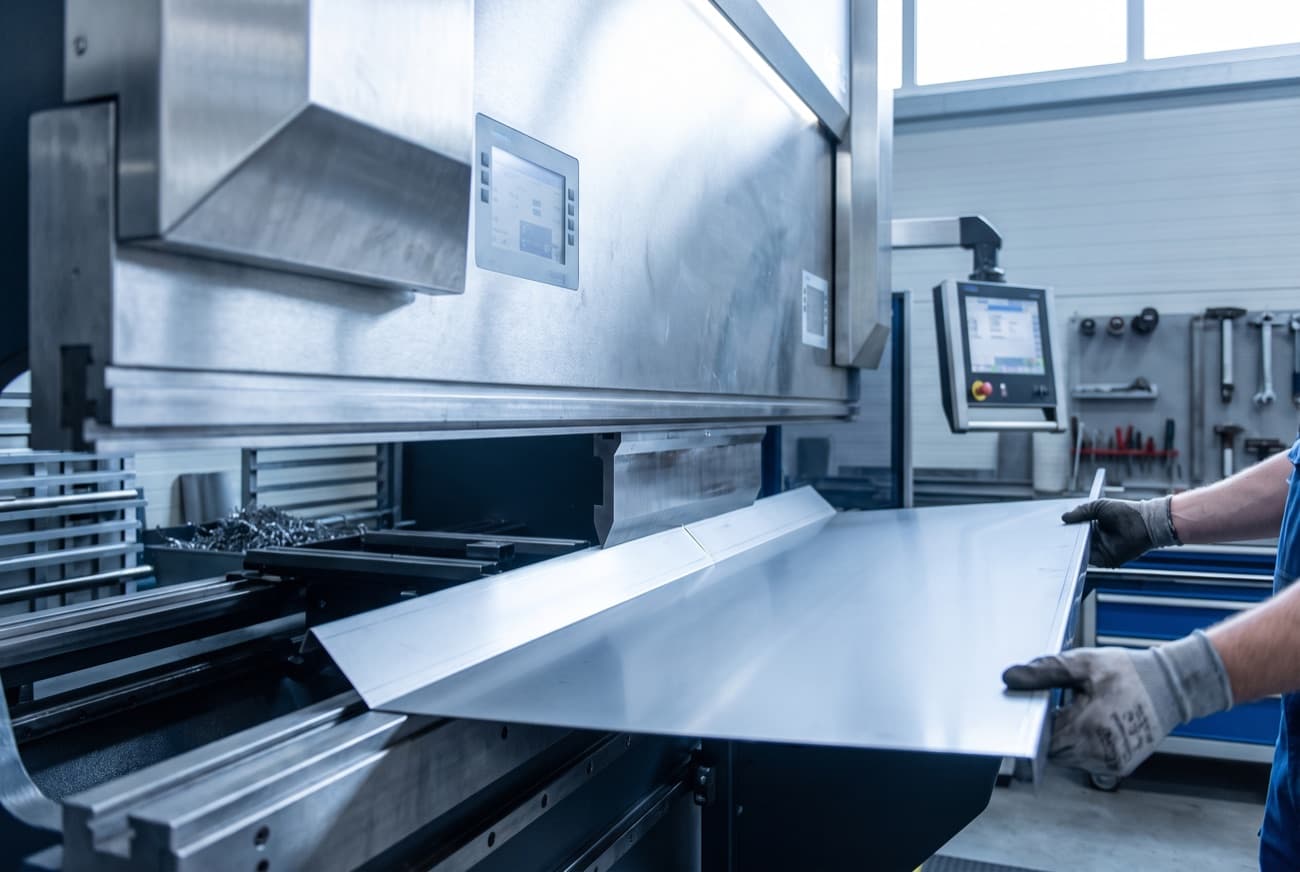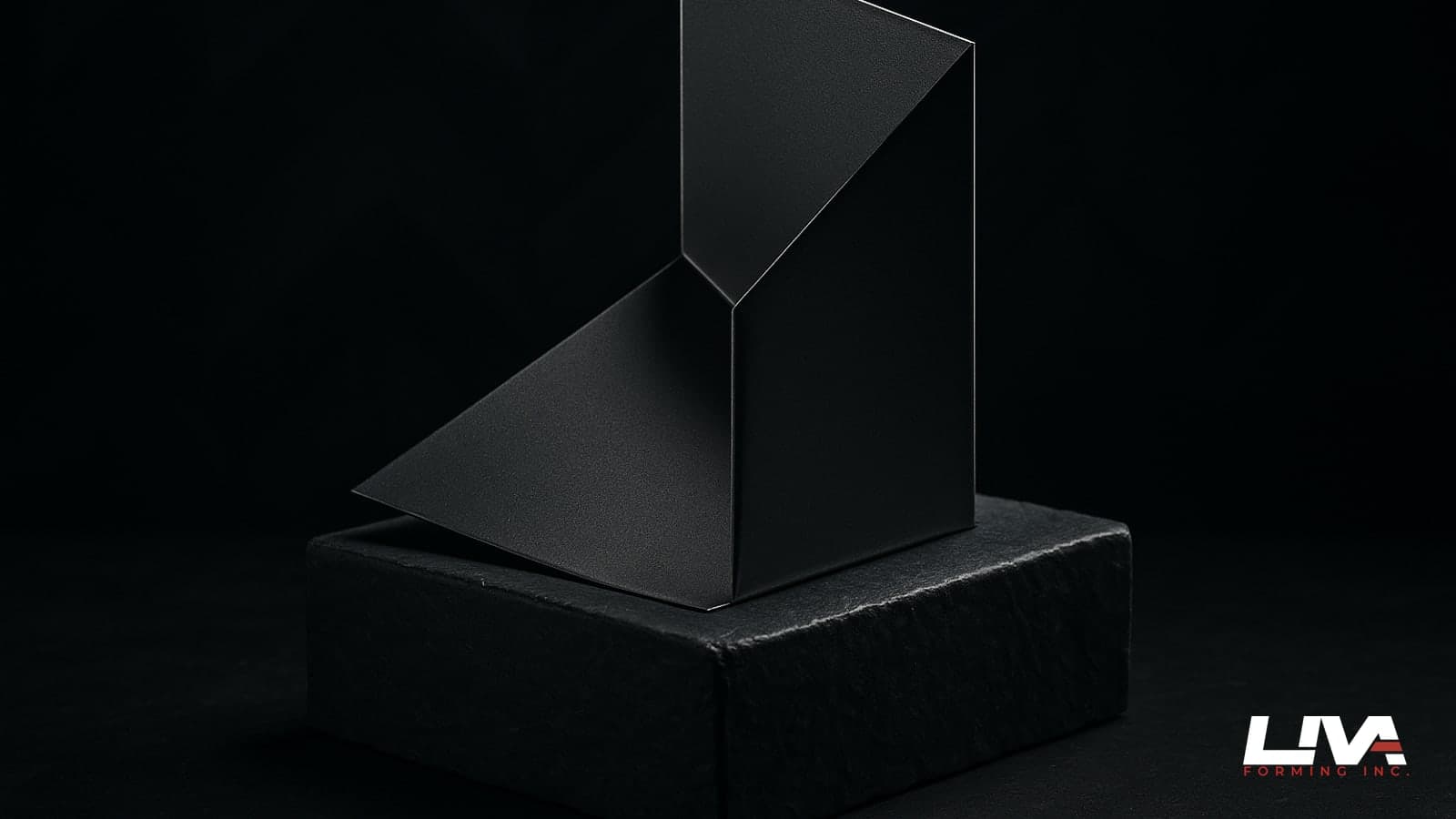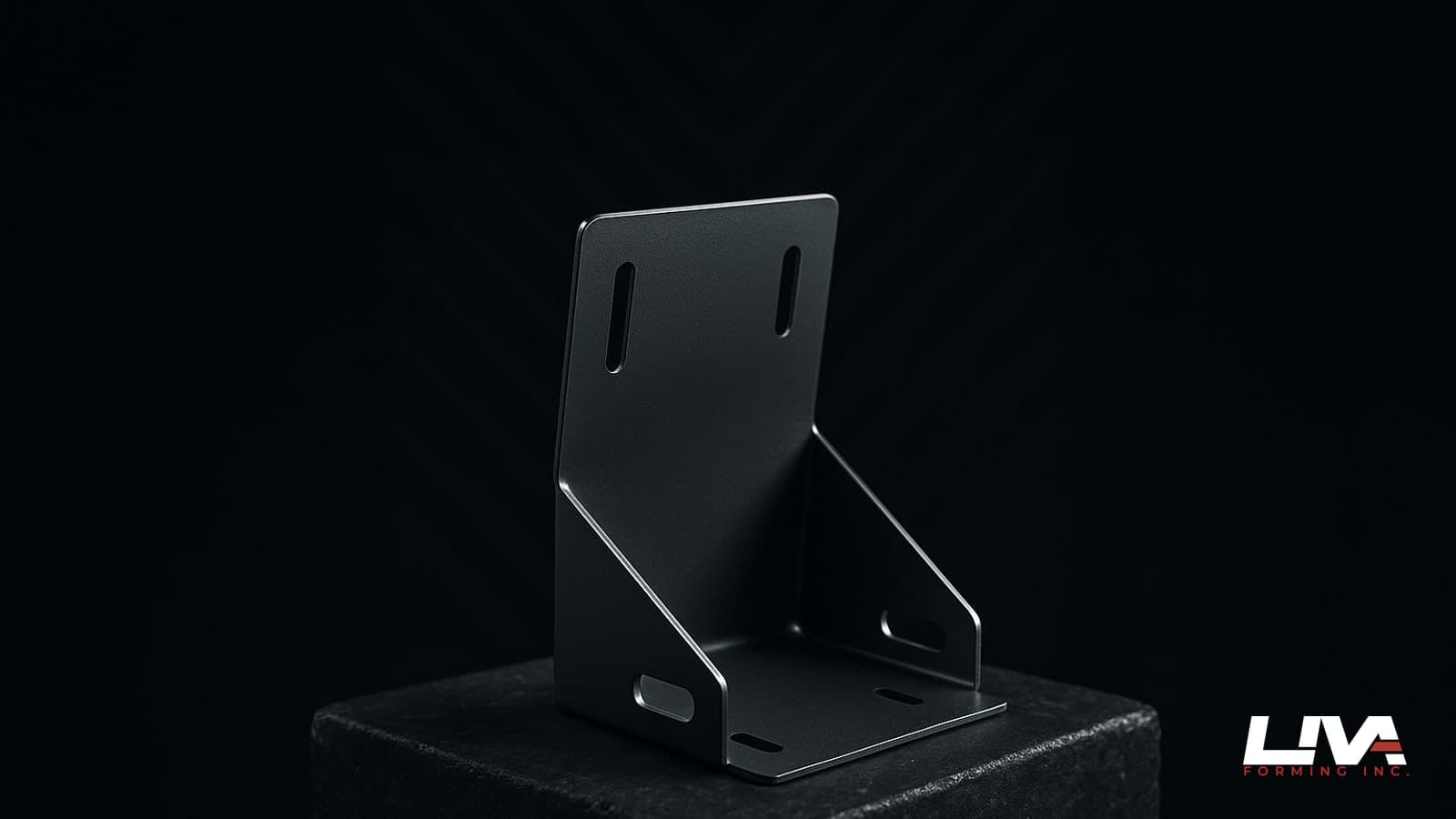
Every week somebody drops a sketch on our counter for a "welded bracket assembly" that doesn't need a single bead of weld. Four sides, some slots, a couple of tabs. That's a flat pattern problem, not a welding problem. Get the DXF right and a press brake will fold it in under a minute. We do a lot of cnc metal cutting in Vancouver and the Fraser Valley for exactly this reason, and honestly, half our incoming welded-assembly quotes get quietly converted to cut-and-fold once we look at the part.
This isn't a knock on welding. Welding is the right call plenty of the time, and we'll get to where it still wins. But there's a lazy default in this industry where "custom bracket" automatically means "weld it up," and that costs contractors time and money they don't need to spend.
What the CNC cutter actually does well
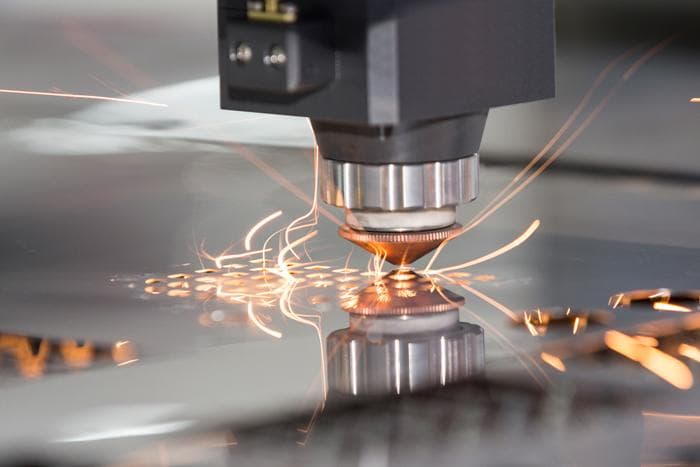
Our fiber laser and turret setups are good at things a guy with a grinder and a torch just cannot match for repeatability. Bolt patterns that line up part 1 to part 50. Slots for adjustment. Notches at corners so a fold doesn't tear or bulge. Relief cuts that let a flange clear an obstruction once it's bent up. These are all one operation, one flat sheet, one program.
Where this gets interesting is the bend relief cut. On a four-sided pan or box, if you don't relieve the corner before folding, the material stretches, cracks, or piles up into an ugly knuckle. Cut a small notch or a tab-and-slot at the corner and the fold goes clean, no grinding, no distortion. That single detail is the difference between a part that looks like it was made by a machine shop and one that looks like it was made in somebody's driveway.
We also cut for hardware we're not installing ourselves. PEM inserts, rivnuts, standoffs. Tell us the hardware spec and we'll size the hole to match instead of you drilling and tapping after the fact.
Designing a flat pattern: bend allowance, K-factor, why the DXF matters
Here's the part most contractors don't think about until it bites them. A bent part starts life as a flat blank, and the flat blank is not just "add up the finished leg lengths." Metal stretches on the outside of a bend and compresses on the inside. Where the neutral axis sits inside the material thickness is the K-factor, and it shifts with material, thickness, bend radius and the tooling in the brake.
Get the K-factor wrong and your finished bracket is off by a millimeter or three per bend. Stack four bends on a box and that error compounds fast. A 3mm error times four corners is suddenly a part that doesn't fit the opening it was built for.
This is why we ask for finished dimensions and let our software calculate the flat pattern, rather than accepting a DXF that somebody flattened by hand in a hurry. If you do send us a flat DXF, tell us it's a flat pattern and tell us the bend lines. We've had jobs come in as "finished part" dimensions drawn flat, which is a completely different geometry, and if we cut it as sent you get a part that's wrong in a way that's expensive to explain to a client standing on a Surrey jobsite.
For anyone who wants the deeper mechanical comparison between processes, we wrote up roll forming vs press brake, choosing the right process a while back, worth a read if you're speccing a run of a hundred-plus identical trim pieces versus a batch of one-off brackets.
Parts that suit cut-and-fold, no question
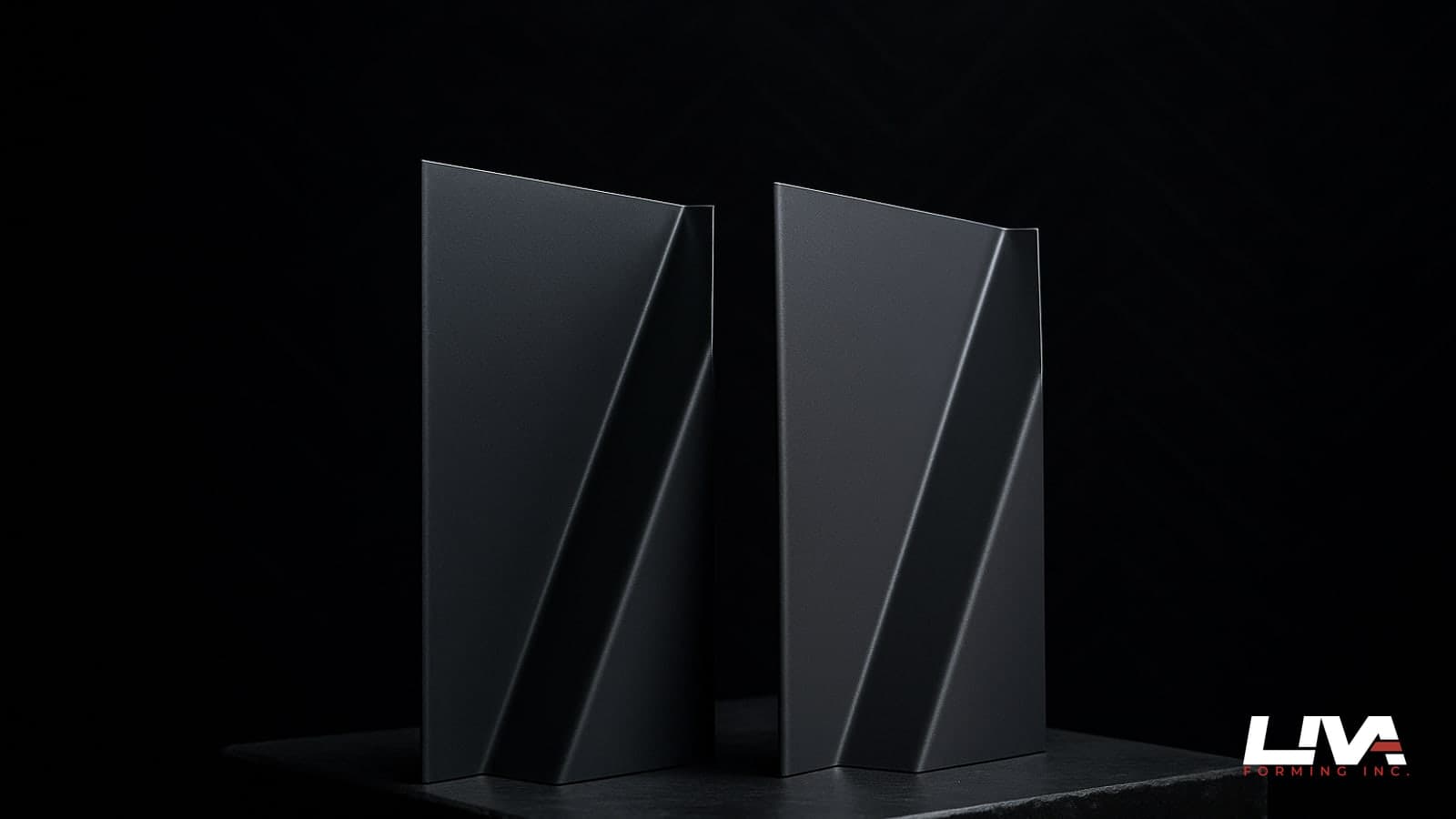
Brackets are the obvious one. L-brackets, Z-clips, standoff brackets, angle supports for signage or equipment mounting. One blank, a couple of bends, done. No fixturing, no weld distortion to grind flat, no heat-affected zone to worry about on a finished aluminum part.
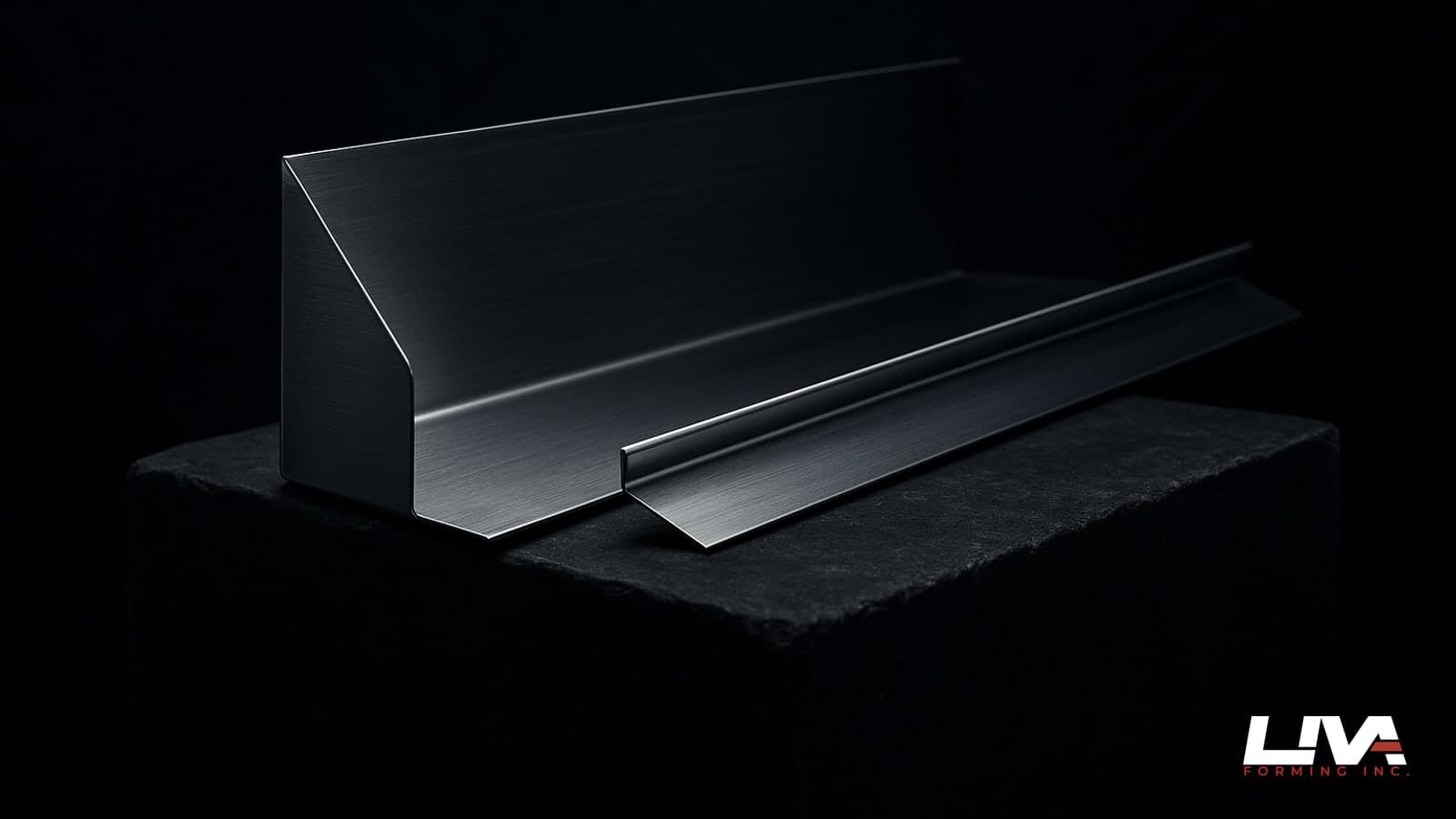
Closures for panel systems. When a standing seam or board-and-batten run hits a corner, ridge, or termination, that closure piece is almost always a cut-and-fold part. We do a fair number of these to complement panel jobs, and if you're speccing the panel system itself our custom standing seam panels piece and the board and batten metal siding guide cover the panel side of that conversation.
Drip pans, equipment pans, HVAC curb adapters. Four sides folded up from one blank with corner relief, sometimes a hem on the top edge for rigidity. No seam to leak because there's no seam, just four folds and the corners get a dab of sealant or a rivet if they need positive closure.
Sign boxes and light enclosures where the box doesn't need to hold pressure or a structural load. Cut the face for the lettering or louvers, fold the returns, screw or rivet the corners.
Custom electrical and utility boxes. Contractors love these because we can cut knockouts exactly where the conduit needs to land instead of somebody hand-drilling on site with a step bit and a prayer.
Here's the rough rule of thumb we use on the shop floor: if the part is one piece of sheet that just needs bending in more than one direction, it's a cut-and-fold candidate. If it needs to join two separate pieces of material at a structural corner, start thinking about welding.
Where welding still wins, and it's not close
Structural loads. Anything carrying real weight in shear or tension at a joint, a welded corner beats a folded or riveted one every time. A folded bracket relies on the bend and the fastener pattern. A welded bracket has continuous material across the joint. If it's holding up a mechanical unit or a guardrail, weld it.
Watertight seams under hydrostatic pressure. A folded corner with sealant is fine for a drip pan that sheds water. It is not fine for a tank, a sump, or anything that holds standing water under real head pressure. That needs a continuous weld bead, ground and tested.
Heavy plate. Once you're past roughly 3/16" to 1/4" material, press brake tonnage requirements go up fast and the bend radius gets ugly relative to the thickness. At that gauge you're usually better off cutting plate to shape and welding a fabricated assembly anyway.
Assemblies with compound geometry that can't unfold into one flat blank. Some shapes are genuinely three-dimensional from separate pieces, not one sheet bent up. That's a weldment, full stop.
We're not precious about steering every job one way. Half our shop's value is knowing which of these two paths actually gets a contractor a better part faster, and sometimes that answer is "call the welding shop, this one's not for us."
Finish after cutting: deburring, pre-finished sheet, powder coat
Laser and plasma cutting leaves a small edge dross and sometimes a slight heat discoloration on the cut edge. That gets deburred, always, before it goes to the brake. Nobody wants to hand a client a bracket with a razor edge.
If you're working in pre-painted or pre-finished sheet, Kynar or SMP coil stock, the cut edge shows bare metal, a hairline. That's normal and unavoidable with any cutting process, and on most trims and closures it's a non-issue once the part's installed and the edge is tucked. If color match to existing siding matters on the visible face, that's a coil selection question more than a cutting question. We've got a full breakdown in color-matching custom flashings to existing siding.
For raw material that's getting powder coated after fabrication, cut and fold first, then coat. Powder coat after forming covers the cut edges completely and gives you one uniform finish across the whole part, bends included. This is what we recommend for anything client-facing, sign boxes especially.
Run sizes, lead time, and what it actually costs
One-off brackets, a handful of pieces: figure $35-90 CAD per part depending on size and complexity, mostly driven by cut time and number of bends, not material cost. Programming a one-off part takes us longer per piece than a fifty-run of the same part, so unit price drops fast once you're past a dozen.
Small production runs, 20 to 200 pieces of an identical bracket or closure: this is where cut-and-fold really shines on price. Once the nest is programmed and the brake tooling is set, we're running parts in a rhythm and per-part cost can drop to $8-25 CAD depending on gauge and size. Compare that to a weldment where every piece needs a fixture pass and a welder's time, and the labor math tips hard toward CNC.
Lead time on straightforward cut-and-fold brackets and closures is typically 2-5 business days once we've got a locked file, and we can turn same-day quotes on most of these because the estimate is mostly cut-time and bend-count math, not a guessing game. That same-day quote turnaround is something we lean on hard for Lower Mainland contractors working tight schedules, whether you're in Delta, Richmond, or up in North Van chasing a shrinking install window.
What to send us for a same-day quote
A DXF or DWG of the flat pattern if you have one, or finished dimensions and a sketch if you don't. Tell us material and gauge. Tell us quantity, even a rough number, since pricing per part changes meaningfully between a run of 5 and a run of 50. Tell us the finish you want: mill finish, pre-painted coil, or powder coat after forming. And tell us any hardware that needs to land in a hole, PEM nuts, standoffs, whatever, so we cut for it instead of you drilling it after.
If you've never ordered custom metal from a fab shop before and aren't sure what a "complete" file package looks like, we put together a guide on ordering custom metal, drawings, and specs that walks through exactly this. Worth five minutes before you send your first job over.
We run our CNC cutting and forming operations side by side in the same Delta shop specifically so a part like this goes from flat sheet to finished bracket without leaving the building or waiting on a second vendor's schedule. That's the whole advantage of cut-and-fold done right: one shop, one setup, one invoice, and a part that fits the first time. Send your sketch, your dimensions, or your DXF over and send your sketch for a quote and we'll tell you straight whether it's a cut-and-fold job or one that needs a welder, same day.
Frequently asked questions
How do I know if a part can be cut-and-fold instead of welded?
Our shop-floor rule: if it's one piece of sheet that only needs bending in more than one direction, it's a cut-and-fold candidate. That covers L-brackets, Z-clips, closures for panel systems, drip pans and utility boxes. No fixturing. No weld distortion to grind flat. Once two separate pieces have to join at a structural corner, start thinking about welding.
When is welding still the better choice?
Four cases. Structural joints carrying real weight in shear or tension, where continuous material beats a bend and a fastener pattern. Seams holding standing water under real head pressure, like a tank or sump. Plate past roughly 3/16" to 1/4", where brake tonnage climbs and the bend radius gets ugly. And compound geometry that can't unfold into one flat blank.
Should I send a flat DXF or finished dimensions?
Finished dimensions are safer. Metal stretches on the outside of a bend and compresses on the inside, and the K-factor shifts with material, thickness, radius and tooling, so we let our software calculate the flat pattern. Get it wrong and a box can be off 3mm at each of four corners. If you do send a flat DXF, say so and mark the bend lines.
What do custom cut-and-fold brackets cost, and how fast?
One-off brackets run about $35-90 CAD per part, driven by cut time and bend count more than material. Runs of 20 to 200 identical pieces can drop to $8-25 CAD each once the nest is programmed and the brake tooling is set. Lead time is typically 2-5 business days after the file is locked. Quotes come back same day.