I've been bending metal for two decades, and the roll forming vs press brake decision still trips up contractors every week. A GC in Burnaby called last month wanting 800 linear feet of 4-inch J-channel. Wanted it press brake formed because "that's what we always do." Would have cost him an extra $1,200 and three days. Wrong tool for the job.
The break-even point sits around 1,000 linear feet. Below that, press brake usually wins on cost. Above it, roll forming takes over, sometimes dramatically. But length isn't the only factor.
How Each Process Actually Works
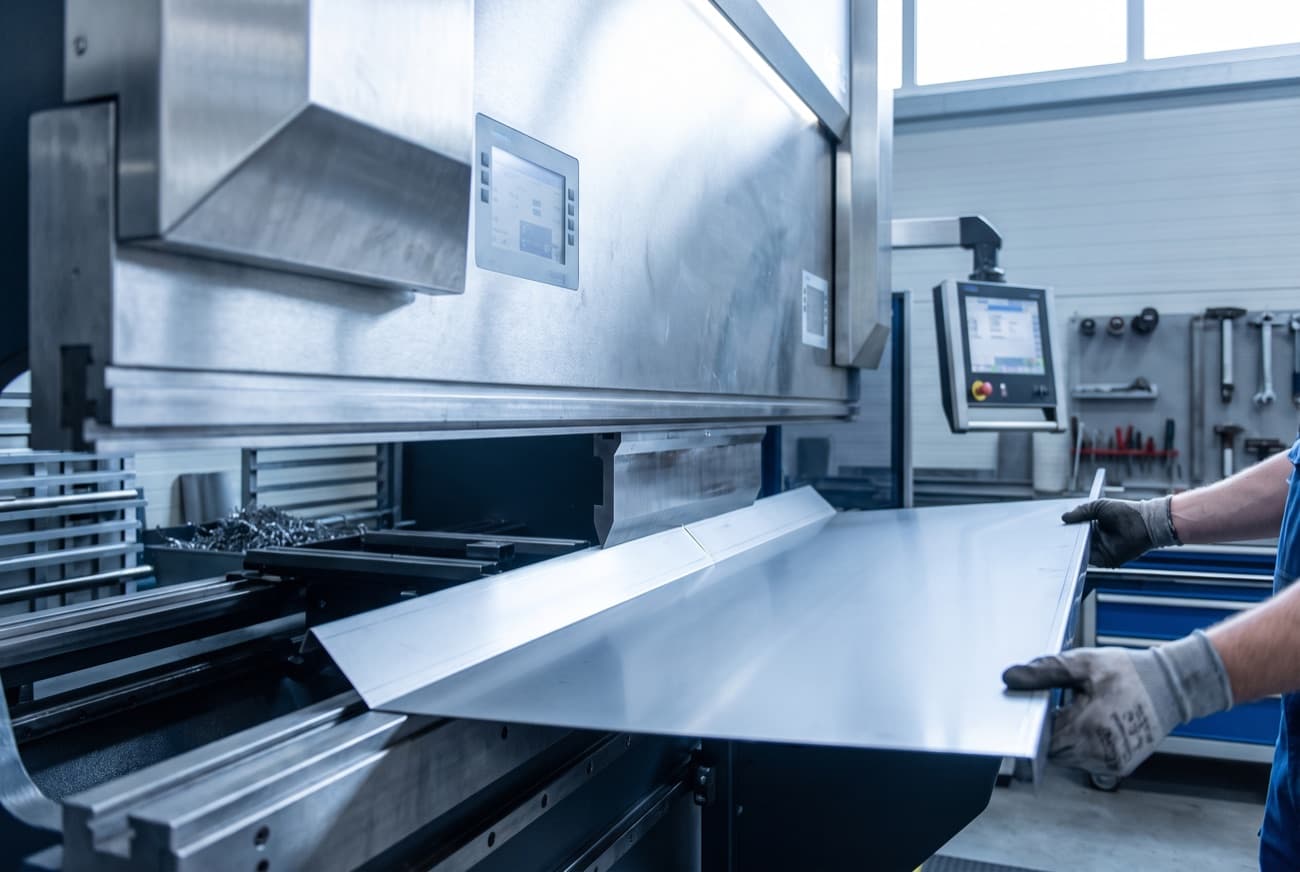
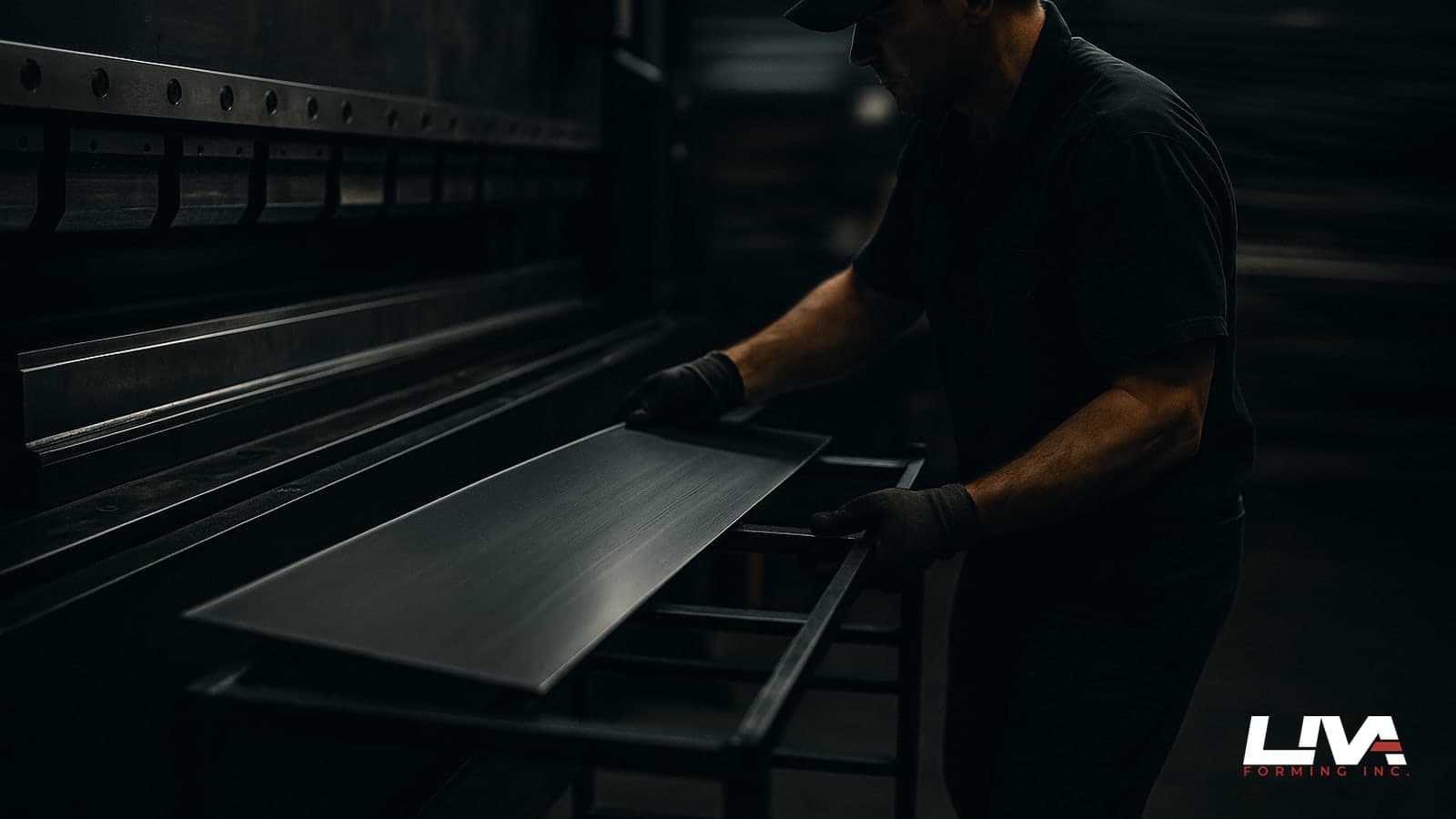
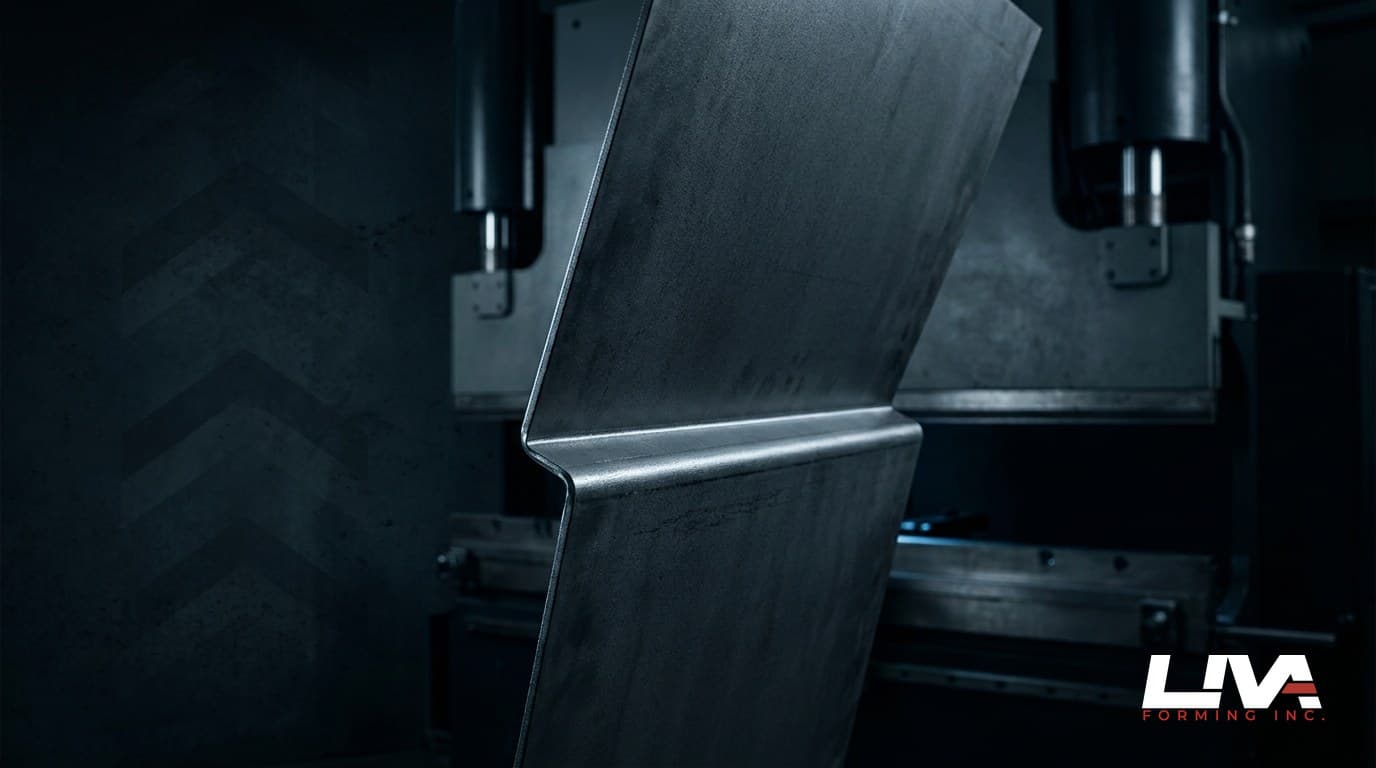
Press brake bending happens one bend at a time. You position the sheet, the ram comes down, you get one angle. Move the sheet, another bend. A Z-flashing with three bends needs three separate operations. The operator controls every angle manually or through CNC programming on newer machines.
Roll forming runs the metal through progressive stations. Each pair of rollers adds a little more shape. By station six or seven, you've got your finished profile. Once it's set up, it just runs. 200 feet per hour isn't unusual for standard flashing profiles.
The setup difference is massive. Press brake: maybe 15 minutes to load a program and check the first piece. Roll forming: 2-4 hours to set the stations, adjust the rollers, dial in the profile. That setup time is why short runs don't make sense on the roller.
Tolerance Reality
Press brake holds ±0.5mm on bend angles without much trouble. Good operator can hit ±0.25mm consistently. But here's what nobody mentions: accumulated tolerance stack-up over length.
Make a 12-foot piece with four bends on a press brake, and each bend has its own tolerance window. By the end of the part, you might be ±2mm off from ideal. Not a problem for most cladding work. Significant issue for interlocking panels.
Roll forming locks in the profile. Once those stations are set, every inch of material gets the exact same treatment. A piece at 50 feet looks identical to a piece at 500 feet. Dimensional consistency runs about ±0.3mm across the entire length, not per feature.
I had a Richmond designer spec 600 feet of custom drip cap for a mass timber project. Needed to interlock perfectly with a proprietary rainscreen system. Tolerances were ±0.4mm maximum deviation. Press brake couldn't guarantee it over that length. Roll formed it in one afternoon.
Surface Finish Differences You'll See
Press brake leaves tool marks. Not deep ones, but they're there. Small flat spots where the punch contacts the metal, slight radiusing differences where material flows. On pre-finished Galvalume or painted steel, you'll see it under the right light. For exposed architectural work, it matters.
The rollers on a forming machine contact across the entire width continuously. Polished rollers on quality equipment leave almost no marking. Better finish consistency, especially on Kynar or PVDF coatings where any scuffing shows up immediately.
But press brake wins on oil canning resistance for wider flat sections. The crisp bends create stiffening ribs. Roll formed parts sometimes need extra ribs designed into the profile to prevent waviness in panels over 8 inches wide.
Tooling Cost Is Where Math Changes
Press brake uses standard punches and dies. A decent shop has dozens already. Custom tooling runs $400-800 for a basic punch set, maybe $1,500 for something exotic. One-time cost, works forever.
Roll forming tooling is $3,000-12,000 depending on complexity. A simple hem or J-channel sits at the low end. Multi-bend architectural profiles with tight radii push toward the top. Can't avoid it. You need custom stations for each profile.
That's why the roll forming vs press brake question always comes back to volume. Spread $8,000 in tooling across 200 feet, you're adding $40/foot just for setup. Spread it across 5,000 feet, it's $1.60/foot.
Ran the numbers last year for a property management company doing window head flashing across 40 buildings. Same profile, 6,800 total feet needed over 18 months. Roll forming tooling cost $4,200. Saved them $0.85/foot in production versus press brake. Paid for tooling in the first 5,000 feet, everything after was pure savings.
Speed and Labor Reality
Press brake needs an operator the entire time. Experienced brake operator in Vancouver runs $35-45/hour loaded cost. They're making maybe 30-50 feet per hour depending on complexity and material gauge.
Roll forming needs one person to feed and one to catch if you're running fast. Sometimes just one person for lighter gauge. Making 150-200 feet per hour once you're running. The labor cost per foot drops to basically nothing.
Material handling swings it further. Press brake parts come off as individual pieces. Stack them, band them, load them. Roll formed parts come off in continuous lengths. Cut to size and you're done. I've watched crews spend 45 minutes organizing and loading press brake pieces that would have been three bundles if they'd been roll formed.
Design Flexibility Cuts Both Ways
Press brake can make almost anything. Change the program, change the part. Custom one-offs, small batches, prototypes. All straightforward. Want to adjust a hem dimension by 3mm? Takes 90 seconds.
Roll forming is committed. Once those stations are set, you're making that profile. Design changes mean re-tooling, more setup time, potentially new roller sets. Not impossible, but it costs.
Where roll forming wins: complex profiles that would need multiple setups on a brake. Anything with more than four or five bends gets tedious on press brake. Roll forming handles eight, ten, twelve bends in one pass without the operator touching it.
Made a custom Z-closure with seven bends for a Surrey project last year. Would have been hell on a press brake. Multiple setups, jigs to hold previous bends, high reject rate. Roll formed it with zero issues once the stations were dialed in.
Material Gauge Limits
Press brake works up to 3mm steel, 4mm aluminum in most shops. Push beyond that and you need seriously heavy equipment. 24-gauge through 18-gauge is the sweet spot. Clean bends, minimal springback issues.
Roll forming tops out around 16-gauge for steel, maybe 14-gauge for softer metals. The progressive bending reduces force requirements compared to press brake, but you're still limited by roller strength and motor capacity. Most architectural work sits in 22-24 gauge anyway, so it's rarely a constraint.
Thinner material actually favors roll forming. 26-gauge gets wavy on press brake if you're not careful. The rollers support it continuously, keep it flat, prevent distortion better than a brake bed.
When Press Brake Is Obviously Right
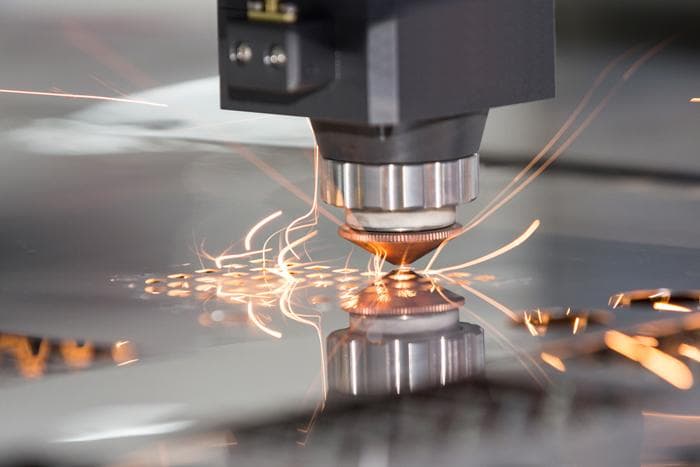
Prototype work. One-offs. Anything under 200 feet. Parts that need holes, notches, or cutouts integrated. You're doing secondary ops anyway, might as well brake form it.
Short lead times on standard profiles. I can press brake 150 feet of step flashing tomorrow morning. Roll forming that same profile needs me to pull tooling, set machines, run test pieces. Two days minimum.
When the profile keeps changing. Architectural work where the designer's still iterating. Custom residential where every house has slightly different detailing. Press brake lets you adjust on the fly.
When Roll Forming Is Obviously Right
Volume production. 1,000+ linear feet of identical profile. Multi-building projects where you know exactly what you need upfront.
Continuous length requirements. Anything over 30 feet gets awkward on press brake. Material handling becomes a nightmare. Roll forming runs 40, 50, 60-foot pieces without issue.
Tight interlocking tolerances. Panels that need to nest or overlap consistently. Profiles with complex curves that would need custom brake tooling anyway.
The Coquitlam Centre expansion used 4,200 feet of custom soffit receiver. Same profile, 32-foot lengths, ±0.3mm tolerance required. Roll formed the entire job in three days. Press brake would have taken two weeks and still wouldn't have hit the tolerance spec.
The Actual Decision Tree
Start with volume. Under 500 feet: press brake unless you've got weird tolerance requirements. 500-1,000 feet: calculate both ways, tooling cost matters here. Over 1,000 feet: roll forming wins most of the time.
Then check complexity. More than five bends pushes toward roll forming even at lower volumes. Simple hems or single-bend parts favor press brake.
Look at your timeline. Need it fast and can't wait for tooling setup? Press brake. Planning ahead with firm specifications? Roll forming makes sense.
Consider whether you'll repeat this profile. One-time custom architectural feature? Press brake. Standard product you'll order again? Invest in roll forming tooling, it'll pay off across multiple projects.
Most contractors don't think about this until they're three weeks into a project and the fabrication shop is behind schedule. The roll forming vs press brake call should happen during estimating, not procurement. Wrong choice costs you time and money—sometimes both.
We run both processes depending on what the job needs. If you're spec'ing metal work for a Lower Mainland project and want to know which process fits your specific situation, get a quote here. We'll run the numbers on your actual requirements and tell you which method makes sense.
Frequently asked questions
At what footage does roll forming become cheaper than press brake?
The break-even sits around 1,000 linear feet. Under 500 feet, press brake is usually the call unless tolerances are unusual, and at 500-1,000 feet you run the numbers both ways. Tooling decides it. Roll forming stations cost $3,000-12,000, so $8,000 spread over 200 feet adds $40/foot, while over 5,000 feet it drops to $1.60/foot.
Which process holds tighter tolerances over long lengths?
Roll forming. A press brake holds ±0.5mm per bend and a good operator hits ±0.25mm, but every bend carries its own tolerance window, so a 12-foot piece with four bends can end up ±2mm off. Roll forming runs about ±0.3mm across the whole length. Cladding rarely cares. Interlocking panels do.
When is press brake clearly the right choice?
Prototypes, one-offs and anything under 200 feet. Same for parts that need holes, notches or cutouts, since you're doing secondary ops anyway, and for profiles a designer is still iterating on. Lead time matters too. We can brake 150 feet of step flashing tomorrow morning, while roll forming that same profile takes two days minimum.
What limits does each process have on gauge and bend count?
Press brake handles up to 3mm steel and 4mm aluminum in most shops, with 24-gauge through 18-gauge the sweet spot. Roll forming tops out around 16-gauge for steel. That rarely bites, since most architectural work sits in 22-24 gauge. Bend count flips things. Rollers handle eight, ten, twelve bends in one pass, where more than four or five gets tedious on a brake.