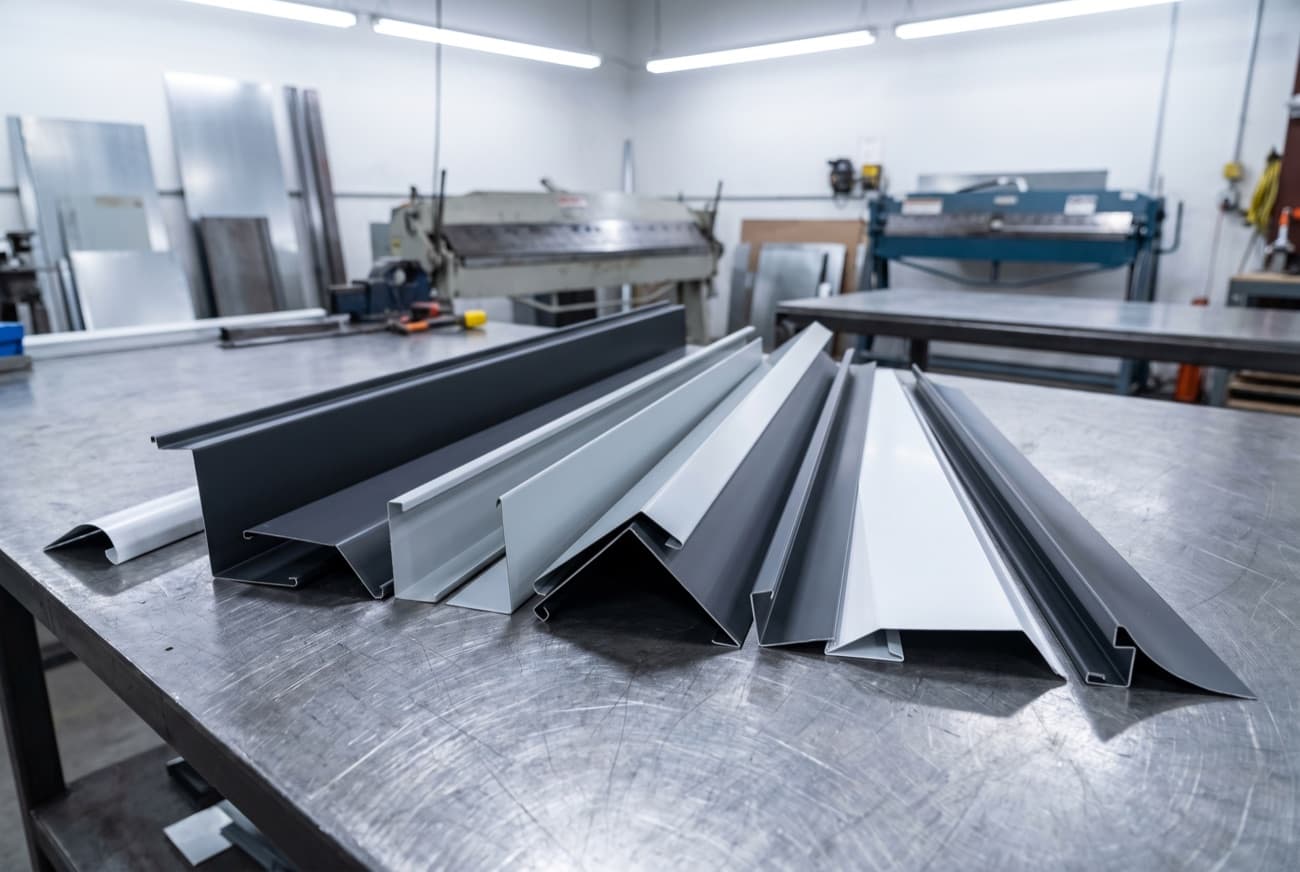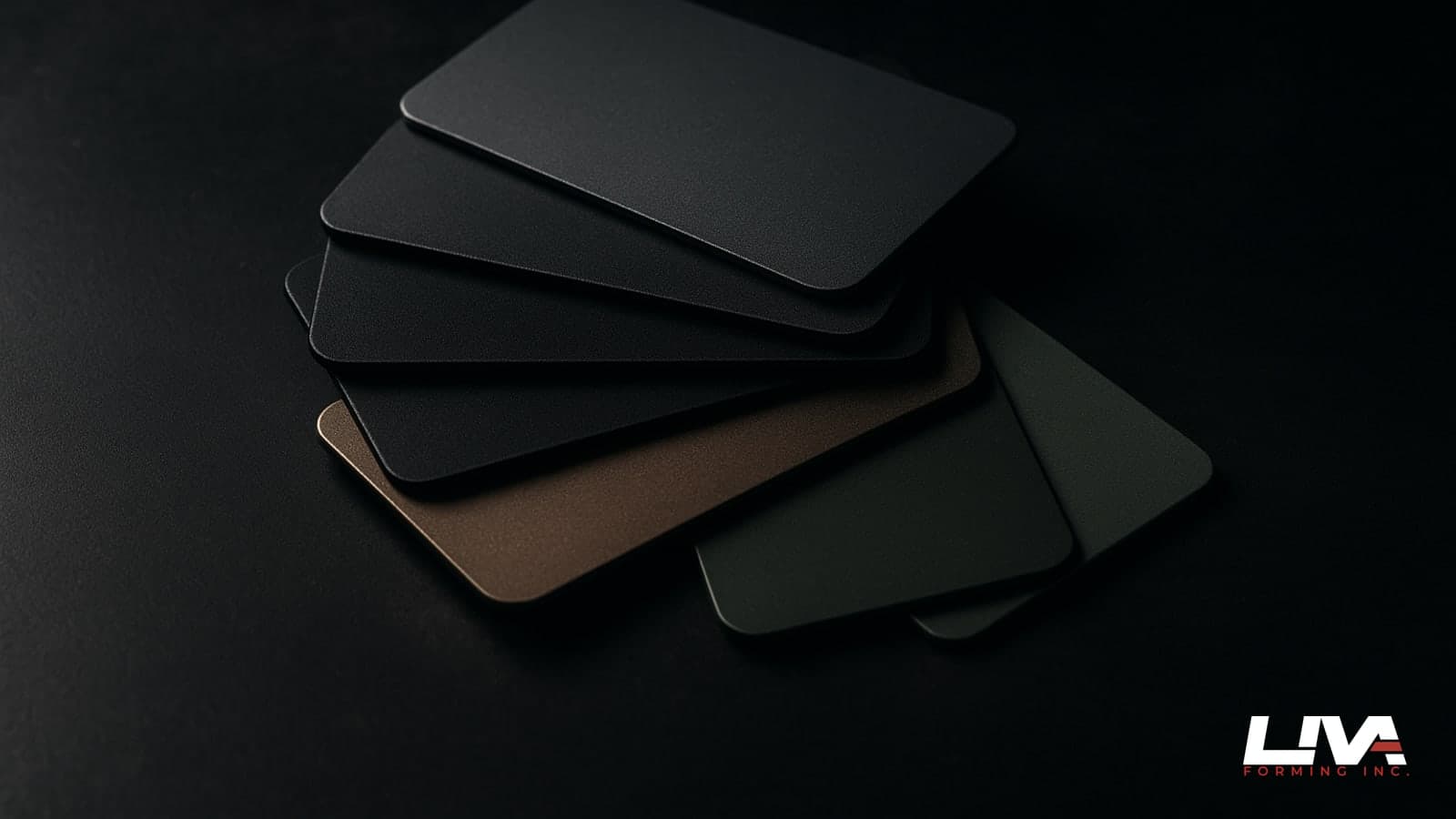
Somebody sends me a photo every couple weeks. Brand new flashing, brand new siding, and they don't match. Not close. The contractor swears they ordered "the same colour," and technically they're not wrong. This is the whole problem with color matching custom flashings for a job where the siding's already on the wall: colour on paper and colour on a building are two different animals, and BC light makes the gap worse than almost anywhere else I've shipped metal to.
I've been running coil through brakes and roll formers in Delta for over twenty years. I've had reps show me chip charts that were dead-on in the showroom and looked grey-green on a North Van roofline in October fog. Let me walk through how we actually get a match that survives daylight, not just a swatch comparison under fluorescent tubes in a warehouse.
Why the chip matches and the wall doesn't
Three things wreck a "perfect" colour match, and none of them show up on a 2x3 inch paint chip.
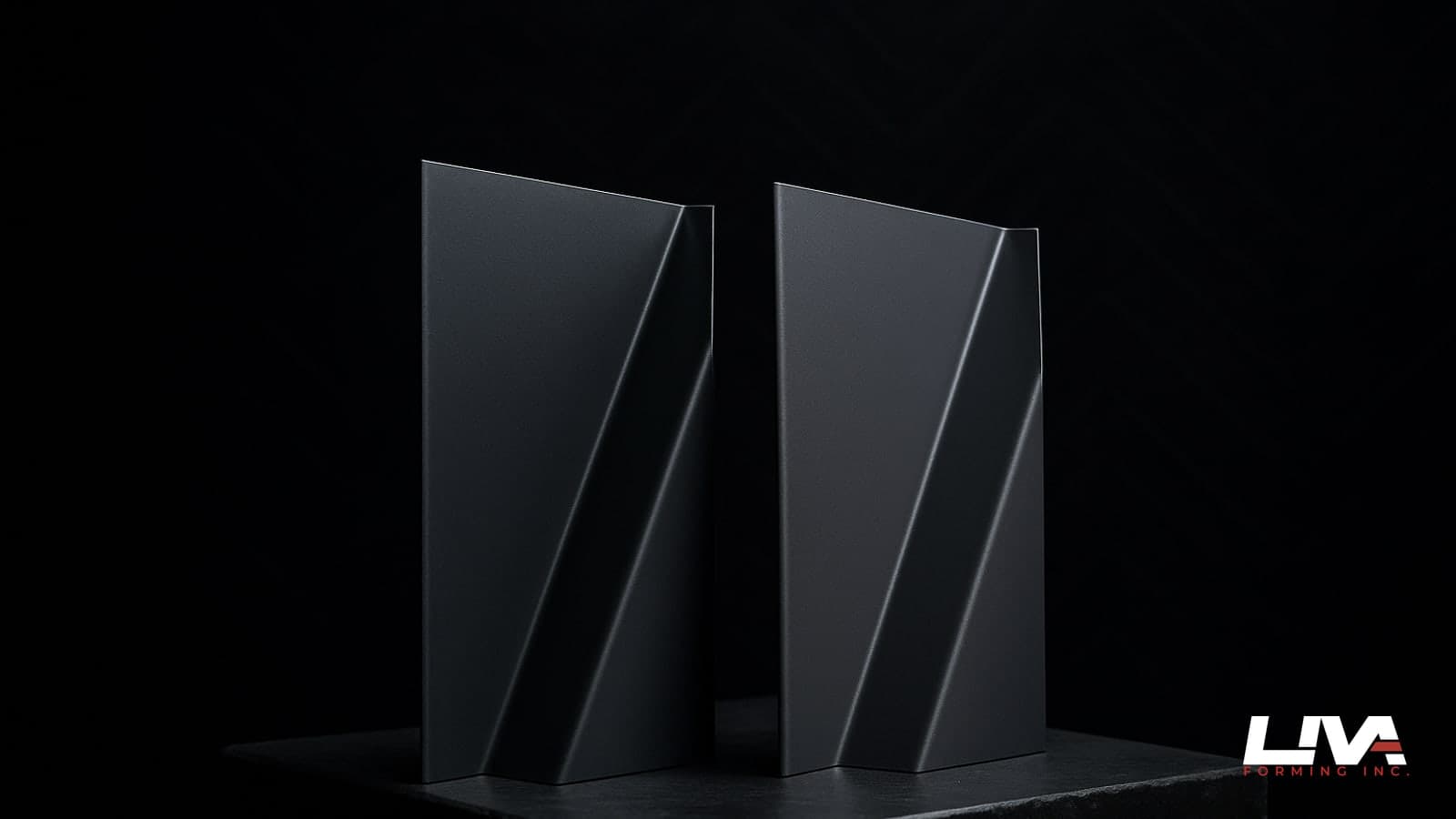
Gloss is the first one. A siding panel with a satin or low-gloss finish will read noticeably darker and flatter than the same pigment formula in a gloss coil. Put a gloss aluminum flashing next to a matte fiber-cement panel and even if the base colour is textbook identical, the flashing will look like it's glowing. Contractors call us saying "the colour's off" when really it's the sheen that's off. Gloss level matters as much as the colour code itself, and most people never think to spec it.
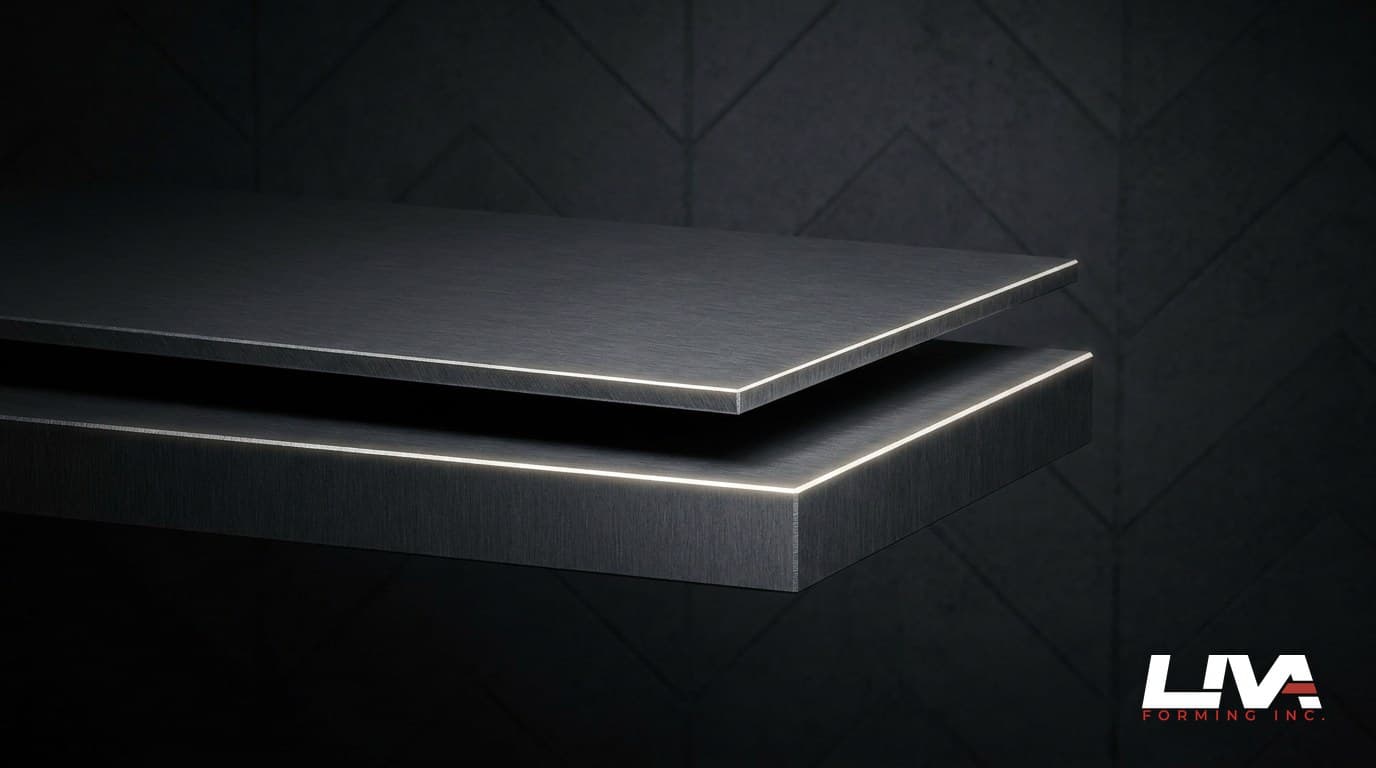
Second: substrate changes how a colour reads. The same paint formula looks different on aluminum than on Galvalume steel because the base metal shows through subtly in lighter colours and affects how light reflects off the surface. A "bone white" on aluminum coil can look a shade warmer than the identical code on steel. This trips up guys ordering flashing to match a colour they pulled off a steel panel spec sheet, not realizing the flashing shop is running aluminum.
Third, and this is the big one in BC specifically: sun exposure and weathering age the existing siding, and your brand new flashing hasn't aged a day. A house in White Rock that's had ten years of coastal sun and salt air on its vinyl siding has faded a good 10-15% from its original colour. You order flashing matched to the manufacturer's current colour code for that siding line and it'll be noticeably brighter and more saturated than the weathered panels next to it. This is nobody's fault. It's just physics. The fix is either accepting a slight mismatch for now (it'll close some as the flashing weathers too, though not fully) or pulling an actual physical sample off the building and matching to that, not to the catalog code.
Stock coil vs custom-matched coil
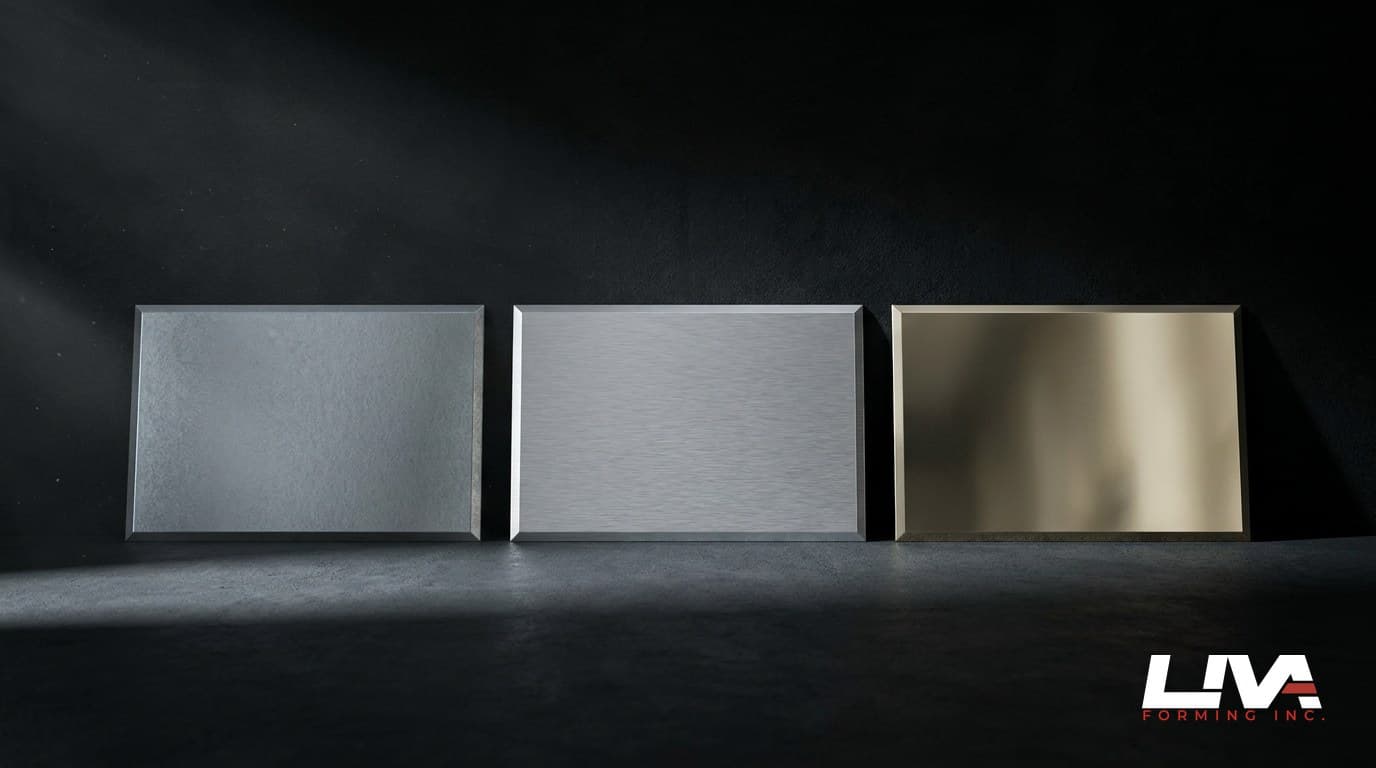
Every coil supplier we buy from carries a stock colour range, usually 12 to 20 colours in prefinished steel and aluminum. Charcoal, bone white, clay, forest green, a couple of bronze and dark brown tones, sometimes a stone grey. These stock colours cover a huge share of new-build siding lines because manufacturers coordinate with the big coil producers on purpose. If you're flashing a new Hardie or James Hardie ColorPlus install, there's a decent chance the exact match already exists in stock coil, no custom order needed.
Where stock breaks down is retrofits, older buildings, and anything from a manufacturer that doesn't run a coordinated coil program. Older cedar-tone vinyl, discontinued Hardie colours, custom architectural panel jobs, heritage restoration work in places like Mount Pleasant or Steveston. That's where you're into custom-matched coil, and the rules change completely.
How to actually specify the colour
There are three ways to tell us what colour you want, and they are not equally reliable.
- Manufacturer colour code — fine when the siding is currently in production and the code is documented (James Hardie, Cascadia, LP, etc.). We can often cross-reference to a coil formula. Risk: weathering, as noted above, plus minor batch variation between production runs years apart.
- RAL code — good for architectural specs and European-sourced panel systems, common on commercial facade work. RAL is a solid international standard but it's a colour standard, not a finish standard. Same RAL number, different gloss or finish system, different look on the wall.
- Physical sample — the only method I trust completely. A cut-off of the actual siding, a paint chip you scraped off a trim board, even a photo taken in consistent daylight (not phone flash, not overcast, not through a window) all beat a code lookup for accuracy.
My honest ranking: physical sample first, manufacturer code second, RAL third for anything that isn't a fresh commercial spec. If you can mail or drop off an actual piece of the existing siding to our shop in Delta, do that. It removes almost all the guesswork.
What sample actually gets you a match on the first try
Send more than a paint chip if you can. A 4x4 inch offcut of the actual siding, cut from a spot that hasn't had direct sun bleaching, gives our finish supplier something real to spectrophotometer against. If you can't cut a piece (occupied building, warranty concerns), take a photo in flat outdoor daylight, no shadows, no flash, held right against a neutral grey card or even a piece of white paper for reference, and tell us the manufacturer and product line if you know it. What doesn't work: a photo taken indoors under LED shop lights, a screenshot off a manufacturer's website, or "it's kind of a dark bronze, you know the colour." We get that description a lot and it is not enough. Send it through when you request a quote and it saves a round of samples going back and forth.
PVDF vs polyester, and why it matters for the match holding up
This is where a lot of contractors get burned two or three years down the line, not on delivery day.
PVDF (branded as Kynar 500 in most of the coil we see) is a premium resin coating with genuinely excellent colour retention. Fifteen, twenty years of Lower Mainland weather and it holds its colour and gloss far better than polyester. Polyester, often called SMP, is the budget-tier coating. It's fine on a shed or a low-visibility flashing run, but it chalks and fades noticeably within 5-8 years, especially on south and west exposures that get real sun in Abbotsford or the Fraser Valley versus the grey coast.
Here's the practical problem: if your existing siding was installed in PVDF and you flash it in polyester (or vice versa) to save a few dollars a linear foot, the two surfaces will weather at completely different rates. Year one, indistinguishable. Year five, your flashing looks tired next to siding that still looks new, or the reverse. Always match coating type, not just colour, when you know what the original siding used. If you don't know, PVDF is the safer default for anything visible and long-term, and it's usually only a modest premium over polyester on a typical flashing run.
Custom PVDF coil: the lead-time reality
People ask for a custom-matched PVDF coil colour and expect it by Thursday. Doesn't happen. Mills run custom colour batches with minimum order quantities, often 1,000 to 5,000 lbs of coil depending on the supplier, and that coil gets scheduled into a production run alongside everyone else's custom orders. Realistic lead time on a genuinely custom PVDF match, from colour approval to coil landing at our shop, runs 6 to 10 weeks. Sometimes longer if the mill's backed up in spring, which is every spring in this business.
If your project timeline can't absorb that, your options are: use a stock colour that's close enough (with the client's sign-off, in writing, on the actual variance), find an existing custom colour another BC fabricator has already ordered and can share a minimum off of, or accept the lead time and sequence the job around it. We've talked more than one GC through this exact tradeoff on custom flashing lead times in Vancouver, and it always comes back to deciding early, not two weeks before the crew shows up.
Matching to fiber-cement, vinyl, and wood siding
Different siding materials behave differently for matching purposes.
Fiber-cement (Hardie and similar) is usually the easiest. Factory-applied colour systems are consistent and well-documented, and most run in the same colour families coil suppliers already stock. New Hardie install, stock coil match, done in a week.
Vinyl siding is trickier because vinyl colour is baked into the extrusion, not a coating, and it fades faster and less predictably than PVDF metal. Vinyl also has more colour drift between production lots over the years than fiber-cement. On an older vinyl job, always work from a physical sample, not the vinyl manufacturer's current colour name, because "Almond" from 2009 and "Almond" today are not the same colour.
Wood siding, whether it's cedar, stained or painted, is its own category entirely. Natural wood tones don't exist as standard coil colours at all, so this is custom-matched every time, and the target colour keeps moving as the wood weathers and gets refinished. For wood, I tell contractors to sample right before flashing install, as close to the actual finish schedule as possible, not months ahead.
Getting it right on the flashing itself
None of this colour work matters if the flashing profile is wrong for the job in the first place. We build a lot of custom step flashing, counter flashing, and drip edge to match tricky roof-to-wall intersections where stock profiles just don't sit right, and colour is only half the spec. If you're dealing with an inspector callout on a flashing detail, that's usually a bigger issue than colour and worth sorting first; we've covered a lot of that ground in our piece on common BC siding inspector callouts that custom flashings fix.
Once the profile and gauge are locked, our custom flashing shop handles the forming end to end, and we keep our stock and custom coil options laid out on the colour and coil finish page so you can see what's on the shelf before you commit to a custom mill order.
Bring us a real sample, tell us the coating type if you know it, and give the mill lead time honest room in your schedule. That's the whole formula for a match that still looks right in year eight, not just on delivery day. If you've got a cut of siding, a photo, or even just a rough sketch of the flashing run you need, send your sketch for a quote and we'll tell you same-day whether it's a stock match or a custom mill order, and how long that actually takes.
Frequently asked questions
Why does flashing ordered to the siding colour code still look wrong on the wall?
Three things a chip won't show you. Gloss is the first: a gloss aluminum flashing next to a matte fiber-cement panel will look like it's glowing even when the base colour is identical. Substrate is second, since the same formula reads differently on aluminum than on Galvalume steel. Third is weathering. Siding with ten years of coastal sun can fade 10-15%, and new flashing hasn't aged a day.
What sample gets a colour match on the first try?
A physical sample beats a code lookup every time. Best is a 4x4 inch offcut of the actual siding, cut from a spot that hasn't been bleached by direct sun, so the finish supplier has something real to measure. Can't cut a piece? Shoot it in flat outdoor daylight with no flash, held against a neutral grey card or white paper, and name the manufacturer and product line. Indoor photos and website screenshots don't work.
Does it matter if the flashing coating differs from the siding coating?
Yes. The two weather at completely different rates. PVDF, usually Kynar 500, holds colour and gloss through fifteen, twenty years of Lower Mainland weather, while polyester chalks and fades noticeably within 5-8 years. Year one, you can't tell them apart. By year five one surface looks tired. Match coating type, not just colour, and if you don't know what the siding used, default to PVDF on anything visible.
How long does a custom-matched PVDF coil colour take?
Plan on 6 to 10 weeks from colour approval to coil landing at the shop. Longer in spring. Mills run custom batches with minimums, often 1,000 to 5,000 lbs of coil, scheduled alongside everyone else's orders. If your timeline can't absorb that, use a close stock colour with the client's written sign-off on the variance, share a minimum another BC fabricator already ordered, or sequence the job around the wait.